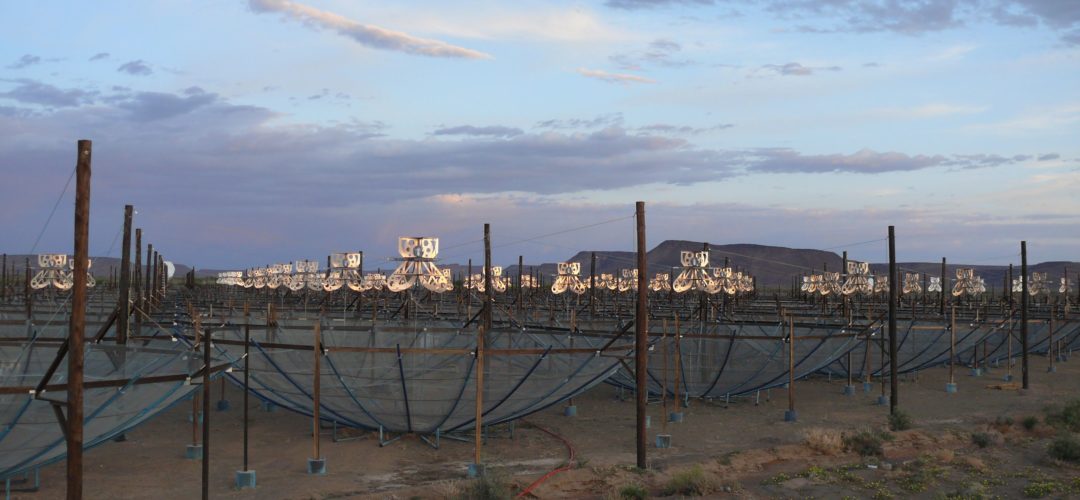
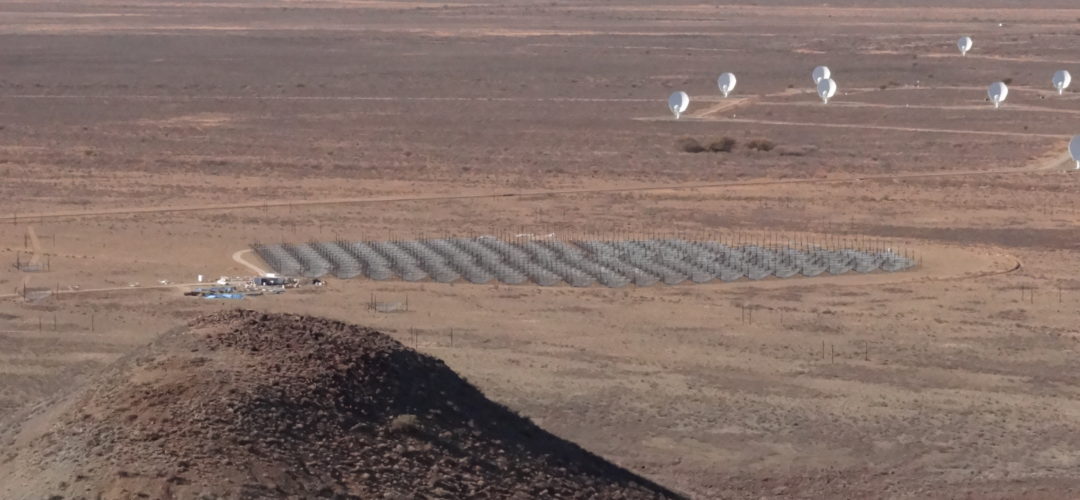
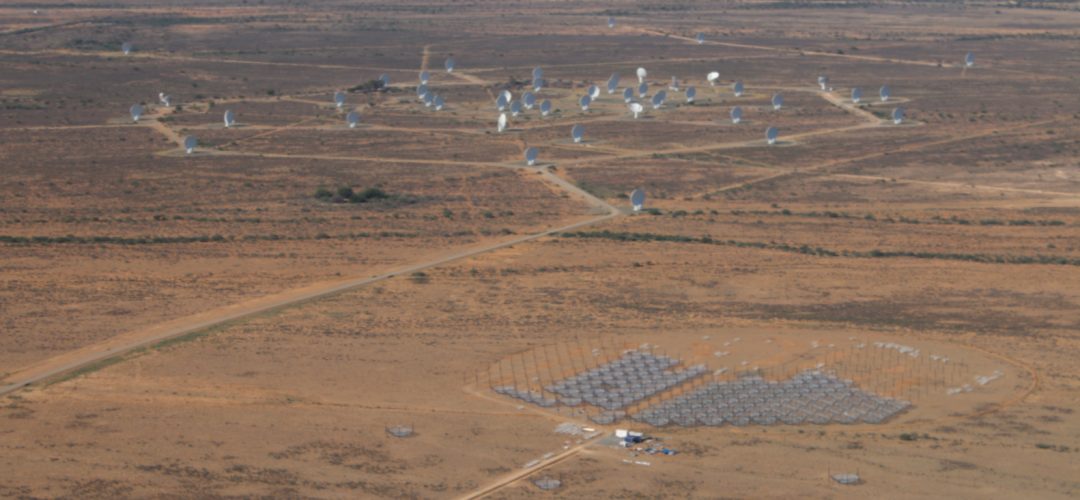
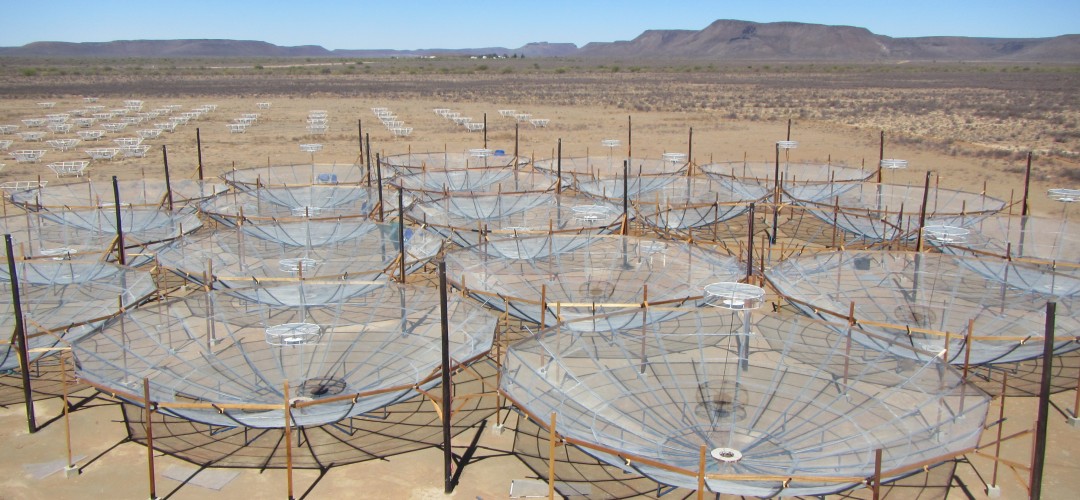
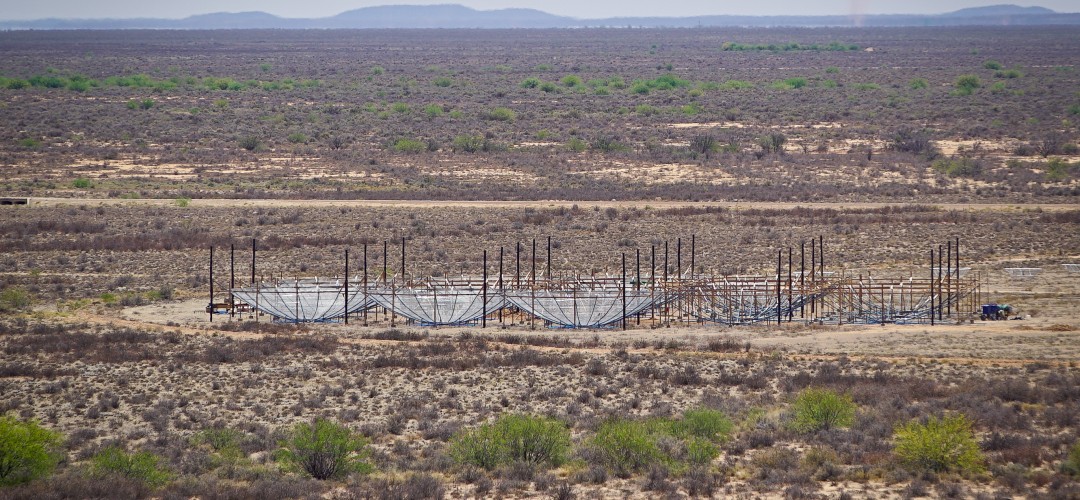
The HERA roadmap was the top-ranked science program from the Astro2010 Radio, Millimeter, and Submillimeter panel report. The roadmap centers on HERA I as the completion of the Precision Array for Probing the Epoch of Reionization (PAPER) andMurchison Widefield Array (MWA) experiments in about three years time. PAPER and MWA are ‘spearhead projects’ that lead to HERA I. In parallel, other development programs are being pursued in general DSP and large N array data processing.
The second phase, HERA II, will enable statistical characterization, and the detection of the first large ionized structures. HERA III will eventually target the full tomographic imaging via a Square Kilometre Array-scale facility, and must be informed technically and scientifically by these spearhead projects. The situation parallels the early days of studies of fluctuations in the Cosmic Microwave Background, which were also driven by similar dynamic range requirements and followed multiple experimental tracks that included interferometric and bolometric measurements.
- HERA 2010 Decade Survey White Paper
- HERA Science: Galaxy Formation
- HERA Science: Cosmology
- Decadal Survey
The Hydrogen Epoch of Reionization Array (HERA) is a roadmap submitted to the Astro2010 Decadal Survey for the construction of a large radio-wavelength array to study the Epoch of Cosmic Reionization. Cosmic reionization occurred during the epoch when the first stars and black holes reionized the neutral intergalactic medium (IGM). This epoch is the last unexplored frontier in studies of cosmic structure formation.
The HERA roadmap was the top-ranked science program from the Astro2010 Radio, Millimeter, and Submillimeter panel report. The roadmap centers on HERA I as the completion of the Precision Array for Probing the Epoch of Reionization (PAPER) andMurchison Widefield Array (MWA) experiments in about three years time. PAPER and MWA are ‘spearhead projects’ that lead to HERA I. In parallel, other development programs are being pursued in general DSP and large N array data processing.
The second phase, HERA II, will enable statistical characterization, and the detection of the first large ionized structures. HERA III will eventually target the full tomographic imaging via a Square Kilometre Array-scale facility, and must be informed technically and scientifically by these spearhead projects. The situation parallels the early days of studies of fluctuations in the Cosmic Microwave Background, which were also driven by similar dynamic range requirements and followed multiple experimental tracks that included interferometric and bolometric measurements.
The MWA and PAPER experiments are exploring the key elements called-out in the HERA white paper for this time frame. These include: antenna design, configuration, data storage, large N array digital signal processing, and calibration and interference excision techniques. Significant progress has been made in these areas, and build-out of these facilities are entering the science stage, where a first statistical detection is likely, or at the very least, strong limits will be placed on most reasonable models for cosmic reionization.
An MWA-PAPER coordinating group has been established to act as a point of contact between the projects. The HERA program is maintaining contact with the LOFAR project in Europe, which is also pursuing the HI 21cm signal from reionization.

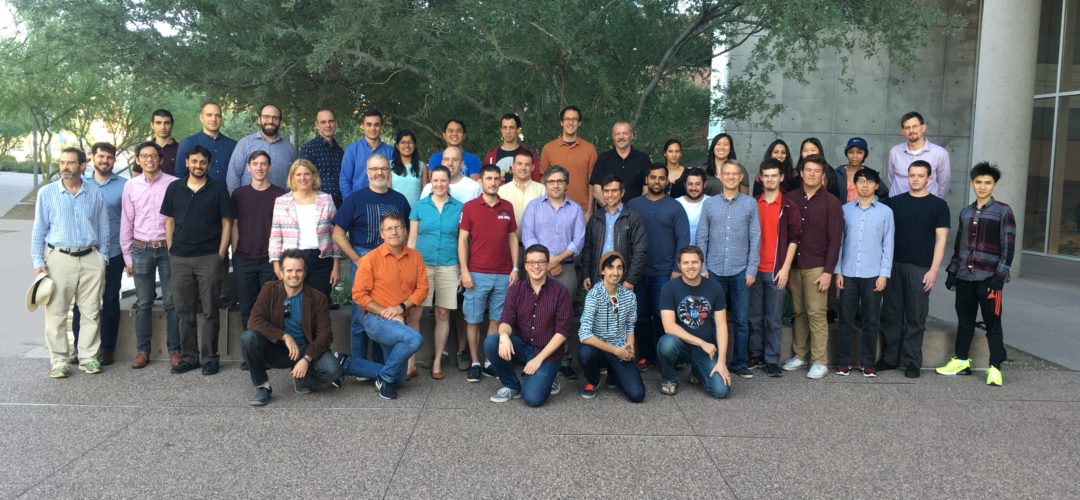
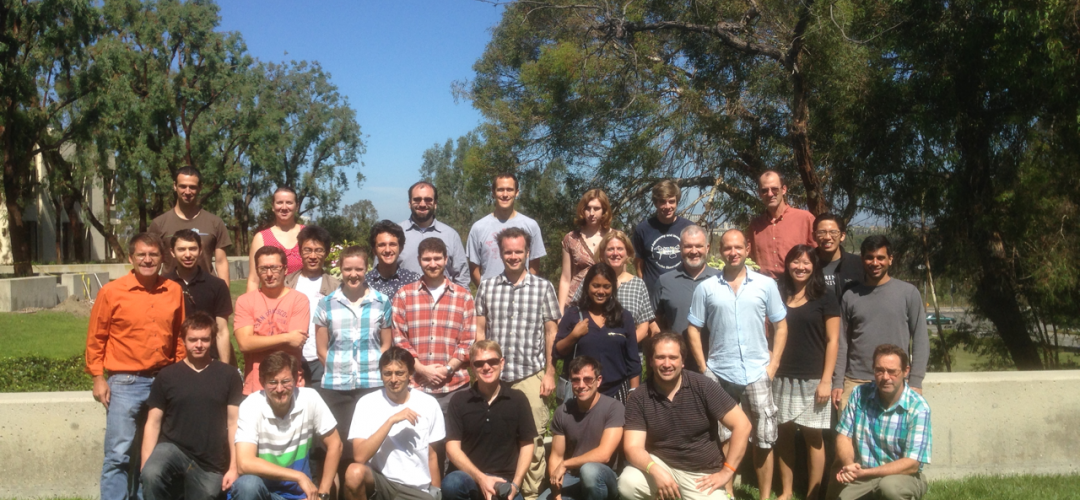
Contact Information: The original A2010 HERA white paper authors are listed below, corresponding to some of the members of the MWA and PAPER teams. Parallel efforts in DSP and array design that relate to HERA are also in progress.
- Don Backer (Berkeley; deceased)
- Rich Bradley (NRAO)
- James Aguirre (Pennsylvania) jaguirre at sas.upenn.edu
- Judd Bowman (ASU) judd.bowman at asu.edu
- Chris Carilli (NRAO) ccarilli at nrao.edu
- Steve Furlanetto (UCLA) sfurlane at astro.ucla.edu
- Lincoln Greenhill (SAO) greenhill at cfa.harvard.edu
- Jacqueline Hewitt (MIT) jhewitt at mit.edu
- Colin Lonsdale (MIT) cjl at haystack.mit.edu
- Miguel Morales (Washington) mmorales at phys.washington.edu
- Stephen Ord (SAO) steve.ord at gmail.com
- Aaron Parsons (Berkeley) aparsons at astron.berkeley.edu
- Alan Whitney (MIT)
- Danny Jacobs (ASU,webmaster) daniel.c.jacobs at asu.edu